
Can my floor support a filled birth pool?
Christine Clausen
If you’re considering a home birth with a birth pool, you’ve probably wondered whether your floor can carry the weight. A full birth pool does weigh quite a bit, and it’s natural to be cautious. Fortunately, most floor constructions are designed to handle substantial loads, and here you’ll find a guide to how you can make sure your floor is ready for the task. We’ll dive into how standard floors are built to bear weight, how the weight from a birth pool is distributed, and what measures you can take to ensure a safe home birth.
How much does a filled birth pool weigh?
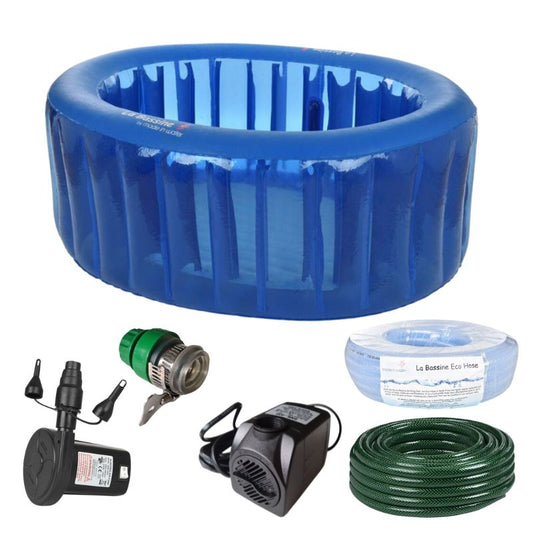
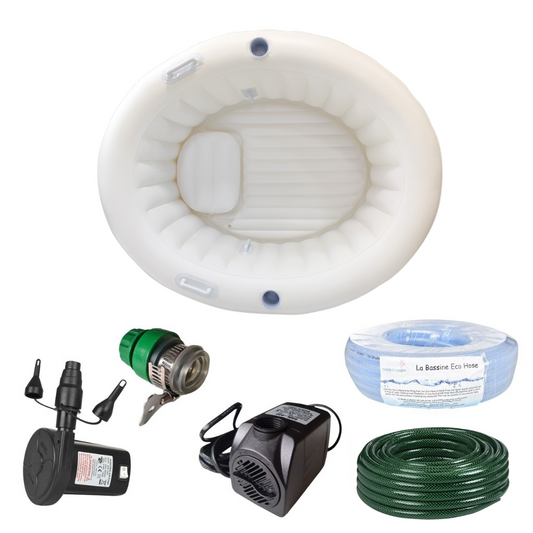
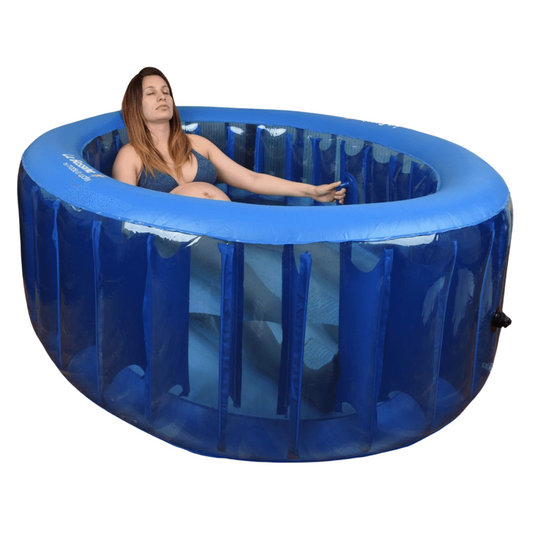
A typical birth pool is filled to a depth of 45–60 cm, which means that – together with the mother’s weight – it can weigh between 400–600 kg. This corresponds to the weight of a solid dining table with six people around it, so if you’re not worried about hosting a dinner party, you don’t need to worry about the weight of a filled birth pool either.
Floor constructions and load-bearing capacity
A floor can typically support between 250–500 kg per m², depending on its construction. Since a birth pool covers about 1.5–2 square metres, the weight is distributed evenly, keeping it within the limits that most floors can handle. Even in older buildings, where floor structures may not be quite as strong as in new builds, the construction is often robust enough to support a birth pool – especially if it’s placed with care.
Tips to make sure your floor can support the birth pool
If you still feel unsure, here are some practical tips that can help you assess and ensure the load-bearing capacity:- Place the birth pool close to a load-bearing wall: Load-bearing walls are designed to support heavy weights and can therefore be a good place to position the birth pool for extra safety.
- Distribute the weight with a base: A sturdy base, such as a wooden board or thick mat, can help distribute the weight evenly across the floor surface and minimise the load on any single point.
- Fill the pool gradually and check the floor: When you fill the pool, you can do it slowly and observe the floor during the process. If the floor remains stable, you can safely fill the pool all the way up.
- If you're still unsure - consult a building expert: If you live in an older building or just want to be extra cautious, a structural engineer can help assess the floor's load-bearing capacity and provide you with professional advice.
Extra security with water protection
Besides the weight issue, it might also be a good idea to protect the floor from water splashes. If your floor is wooden or carpeted, you can place a waterproof underlay under the birthing pool, which protects the floor and gives extra peace of mind.
You can find mats and accessories for birth pools here
Standards and practice: it’s safe and well-tested
It’s important to remember that thousands of home births with birth pools take place every year, and the vast majority of parents experience no problems using a birth pool at home. By following the basic advice and making sure that your floor is suitable, you can create a safe and calm atmosphere for your birth.
Brief summary:
- A full birth pool weighs about the same as a dining table with six people, which most floors are built to support.
- Place the birth pool close to a load‑bearing wall, and if needed use a mat underneath to distribute the weight.
- Consult a building expert for extra safety in older buildings.
- The vast majority experience no problems with home births – with the right preparation, it is a safe and practical solution.
By taking these simple precautions, you can safely prepare for a home birth and focus on creating a calm and positive experience in your own home.